
Lymphatic drainage (or lymphatic massage) is one of the gentlest yet most effective methods to support the body's internal cleansing processes. But how exactly does it work, and why is it more than just a simple pampering treatment?
The Lymphatic System: The Body's Waste Disposal
The task of our lymphatic system is to collect and transport excess fluid, waste products, and toxins from the tissues. Unlike blood circulation, which is pumped by the heart, the lymphatic system has no "motor" of its own. The flow of lymph fluid is maintained by muscle movement and breathing.
If we lead a sedentary lifestyle or sit a lot at work, lymphatic circulation can slow down. This can lead to water retention (edema), fatigue, and a weakening of the immune system.
How Does Massage Help?
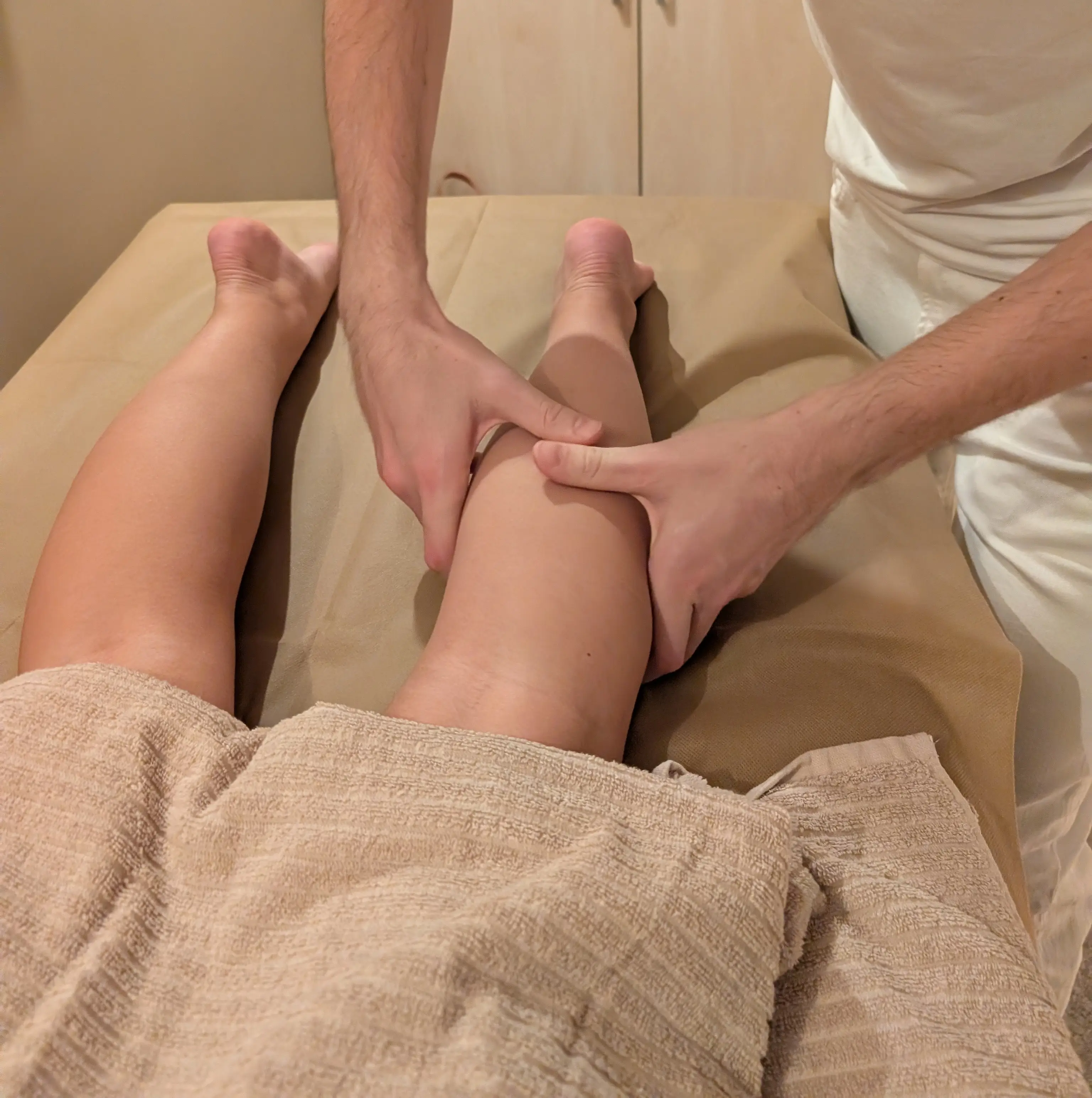
During manual lymphatic drainage, we stimulate the lymph nodes and the function of lymphatic vessels with special, slow, pumping movements. This technique:
- Accelerates lymph flow: Helps drain stagnant fluid.
- Reduces edema: Eliminates the tense, heavy leg sensation.
- Supports detoxification: Waste products reach the excretory organs faster.
- Strengthens the immune system: Cleansing the lymphatic system improves defense capabilities.
Who is it Recommended For?
The treatment is beneficial for almost everyone, but it is especially recommended for:
- Those who do sedentary work.
- Those prone to water retention (e.g., swollen ankles).
- As a complement to detoxification cures.
- During stressful periods, as the monotonous movements are deeply relaxing.
If you want to experience the feeling of lightness and support your body's renewal, book an appointment for a lymphatic drainage massage!